Salary
Salary
Salary
Learn
Learn
Learn
Pricing
Pricing
Pricing
About
About
About
The 2025 physicians
AI report
The 2025 physicians
AI report
The 2025 physicians
AI report
The 2025 physicians
AI report
The 2025 physicians
AI report
Get the full 70+ page report

We surveyed 1,000+ physicians across 106 specialties to understand how they really feel about AI in medicine.
We surveyed 1,000+ physicians across 106 specialties to understand how they really feel about AI in medicine.
We surveyed 1,000+ physicians across 106 specialties to understand how they really feel about AI in medicine.
We surveyed 1,000+ physicians across 106 specialties to understand how they really feel about AI in medicine.
We surveyed 1,000+ physicians across 106 specialties to understand how they really feel about AI in medicine.
The data might surprise you, it goes straight to the heart of how we should be building healthcare A.I. for the people who actually use it: clinicians.
The data might surprise you, it goes straight to the heart of how we should be building healthcare A.I. for the people who actually use it: clinicians.
The data might surprise you, it goes straight to the heart of how we should be building healthcare A.I. for the people who actually use it: clinicians.
What we found lines up with why we started Offcall in the first place: to restore physician autonomy and help doctors take back control of their profession.
What we found lines up with why we started Offcall in the first place: to restore physician autonomy and help doctors take back control of their profession.
What we found lines up with why we started Offcall in the first place: to restore physician autonomy and help doctors take back control of their profession.
What we found lines up with why we started Offcall in the first place: to restore physician autonomy and help doctors take back control of their profession.
What we found lines up with why we started Offcall in the first place: to restore physician autonomy and help doctors take back control of their profession.
While healthcare organizations struggle with AI adoption, physicians are already using it daily, and they're desperate for more. But there's a catch: they're terrified of who's controlling it. And if they don’t get more empowered to affect how it’s deployed, it runs the risk of burning out the workforce even further.
While healthcare organizations struggle with AI adoption, physicians are already using it daily, and they're desperate for more. But there's a catch: they're terrified of who's controlling it. And if they don’t get more empowered to affect how it’s deployed, it runs the risk of burning out the workforce even further.
While healthcare organizations struggle with AI adoption, physicians are already using it daily, and they're desperate for more. But there's a catch: they're terrified of who's controlling it. And if they don’t get more empowered to affect how it’s deployed, it runs the risk of burning out the workforce even further.
While healthcare organizations struggle with AI adoption, physicians are already using it daily, and they're desperate for more. But there's a catch: they're terrified of who's controlling it. And if they don’t get more empowered to affect how it’s deployed, it runs the risk of burning out the workforce even further.
While healthcare organizations struggle with AI adoption, physicians are already using it daily, and they're desperate for more. But there's a catch: they're terrified of who's controlling it. And if they don’t get more empowered to affect how it’s deployed, it runs the risk of burning out the workforce even further.
Numbers At a Glance
Physicians aren't afraid of A.I. They're afraid of losing control to it.
67%
of physicians use AI daily in their practice
84%
say AI makes them better at their job
81%
dissatisfied with their employer's AI adoption speed
89%
believe they should receive funding for AI tools
71%
have little to no influence on which AI tools get used
48%
say employer communication about AI as poor
Numbers At a Glance
Physicians aren't afraid of A.I. They're afraid of losing control to it.
67%
of physicians use AI daily in their practice
84%
say AI makes them better at their job
81%
dissatisfied with their employer's AI adoption speed
89%
believe they should receive funding for AI tools
71%
have little to no influence on which AI tools get used
48%
say employer communication about AI as poor
Numbers At a Glance
Physicians aren't afraid of A.I. They're afraid of losing control to it.
67%
of physicians use AI daily in their practice
84%
say AI makes them better at their job
81%
dissatisfied with their employer's AI adoption speed
89%
believe they should receive funding for AI tools
71%
have little to no influence on which AI tools get used
48%
say employer communication about AI as poor
Numbers At a Glance
Physicians aren't afraid of A.I. They're afraid of losing control to it.
67%
of physicians use AI daily in their practice
84%
say AI makes them better at their job
81%
dissatisfied with their employer's AI adoption speed
89%
believe they should receive funding for AI tools
71%
have little to no influence on which AI tools get used
48%
say employer communication about AI as poor
Numbers At a Glance
Physicians aren't afraid of A.I. They're afraid of losing control to it.
67%
of physicians use AI daily in their practice
84%
say AI makes them better at their job
81%
dissatisfied with their employer's AI adoption speed
89%
believe they should receive funding for AI tools
71%
have little to no influence on which AI tools get used
48%
say employer communication about AI as poor
The Great Misalignment
The Great Misalignment
Physicians are using AI. They believe in it and want more of it. So why are 81% dissatisfied? Because the AI conversation in healthcare is happening without the people who actually take care of patients.
Physicians are using AI. They believe in it and want more of it. So why are 81% dissatisfied? Because the AI conversation in healthcare is happening without the people who actually take care of patients.
Physicians are using AI. They believe in it and want more of it. So why are 81% dissatisfied? Because the AI conversation in healthcare is happening without the people who actually take care of patients.
Physicians are using AI. They believe in it and want more of it. So why are 81% dissatisfied? Because the AI conversation in healthcare is happening without the people who actually take care of patients.
Physicians are using AI. They believe in it and want more of it. So why are 81% dissatisfied? Because the AI conversation in healthcare is happening without the people who actually take care of patients.
Physicians are adopting A.I. on their own, often using personal subscriptions to ChatGPT, Claude, and OpenEvidence, because their organizations can't move fast enough.
Physicians are adopting A.I. on their own, often using personal subscriptions to ChatGPT, Claude, and OpenEvidence, because their organizations can't move fast enough.
Physicians are adopting A.I. on their own, often using personal subscriptions to ChatGPT, Claude, and OpenEvidence, because their organizations can't move fast enough.
email address
email address to download
Download full report now
The Adoption Paradox
The Adoption Paradox
The Adoption Paradox
The Adoption Paradox
daily AI use
vs.
workplace frustration
The Influence gap
How much influence do doctors have on their available AI tools
How much
influence do doctors have on their available AI tools
How much influence do doctors have on their available AI tools
How much
influence do doctors have on their available AI tools
Having AI tools chosen for them by administrators who've never seen a patient.
Administrators optimize for cost and integration. Physicians optimize for: "Does this actually work in the 90 seconds between patients?"
Having AI tools chosen for them by administrators who've never seen a patient.
Administrators optimize for cost and integration. Physicians optimize for: "Does this actually work in the 90 seconds between patients?"
Having AI tools chosen for them by administrators who've never seen a patient.
Administrators optimize for cost and integration. Physicians optimize for: "Does this actually work in the 90 seconds between patients?"
Having AI tools chosen for them by administrators who've never seen a patient.
Administrators optimize for cost and integration. Physicians optimize for: "Does this actually work in the 90 seconds between patients?"
Having AI tools chosen for them by administrators who've never seen a patient.
Administrators optimize for cost and integration. Physicians optimize for: "Does this actually work in the 90 seconds between patients?"

40
30
20
10
0
No influence
No influence
Opinion heard
No influence
Share influence
No influence
All influence
No influence
40
30
20
10
0
No influence
No influence
Opinion heard
No influence
Share influence
No influence
All influence
No influence
40
30
20
10
0
No influence
No influence
Opinion heard
No influence
Share influence
No influence
All influence
No influence
40
30
20
10
0
No influence
No influence
Opinion heard
No influence
Share influence
No influence
All influence
No influence
40
30
20
10
0
No influence
No influence
Opinion heard
No influence
Share influence
No influence
All influence
No influence
Who's demanding control?
Who's demanding control?
Who's demanding control?
The physicians asking for influence aren't asking for more than they've earned.
The physicians asking for influence aren't asking for more than they've earned.
The physicians asking for influence aren't asking for more than they've earned.
The physicians asking for influence aren't asking for more than they've earned.
The physicians asking for influence aren't asking for more than they've earned.
15-20/yrs
15-20/yrs
15-20/yrs
15-20/yrs
Mid to senior physicians who know what works are being locked out of A.I. decisions.
Mid to senior physicians who know what works are being locked out of A.I. decisions.
Mid to senior physicians who know what works are being locked out of A.I. decisions.
Mid to senior physicians who know what works are being locked out of A.I. decisions.
Mid to senior physicians who know what works are being locked out of A.I. decisions.
Cross setting
Cross setting
Cross setting
Cross setting
Seasoned physicians across every practice setting are being sidelined in A.I. decisions.
Seasoned physicians across every practice setting are being sidelined in A.I. decisions.
Seasoned physicians across every practice setting are being sidelined in A.I. decisions.
Seasoned physicians across every practice setting are being sidelined in A.I. decisions.
Seasoned physicians across every practice setting are being sidelined in A.I. decisions.
67%
67%
67%
67%
Say having more influence on A.I. decisions would increase their job satisfaction.
Say having more influence on A.I. decisions would increase their job satisfaction.
Say having more influence on A.I. decisions would increase their job satisfaction.
Say having more influence on A.I. decisions would increase their job satisfaction.
Say having more influence on A.I. decisions would increase their job satisfaction.
giving physicians their time back
What physicians actually need
What physicians actually need
What physicians
actually need
What
physicians actually need
The #1 request? 'Eliminate manual documentation completely.
The #1 request? 'Eliminate manual documentation completely.
The #1 request? 'Eliminate manual documentation completely.
The #1 request? 'Eliminate manual documentation completely.
The #1 request? 'Eliminate manual documentation completely.

Documentation & Scribing
Admin Burdens
Clinical Decision Support
Augment Capacity
Data Aggregation
0
10
20
30
40
50
60
70
Documentation & Scribing
Admin Burdens
Clinical Decision Support
Augment Capacity
Data Aggregation
0
10
20
30
40
50
60
70
Documentation & Scribing
Admin Burdens
Clinical Decision Support
Augment Capacity
Data Aggregation
0
10
20
30
40
50
60
70
Documentation & Scribing
Admin Burdens
Clinical Decision Support
Augment Capacity
Data Aggregation
0
10
20
30
40
50
60
70
Documentation & Scribing
Admin Burdens
Clinical Decision Support
Augment Capacity
Data Aggregation
0
10
20
30
40
50
60
70
See What Else Physicians Need
What’s your email?
See What Else Physicians Need
What’s your email?
See What Else Physicians Need
What’s your email?
See What Else Physicians Need
What’s your email?
See What Else Physicians Need
What’s your email?
What Physicians Are Most Afraid Of
Physicians want to use AI daily and say it makes them better at their jobs but they’re terrified of who controls it and what it's being used for.
Physicians want to use AI daily and say it makes them better at their jobs but they’re terrified of who controls it and what it's being used for.
Physicians want to use AI daily and say it makes them better at their jobs but they’re terrified of who controls it and what it's being used for.
Physicians want to use AI daily and say it makes them better at their jobs but they’re terrified of who controls it and what it's being used for.
Physicians want to use AI daily and say it makes them better at their jobs but they’re terrified of who controls it and what it's being used for.
Despite physician productivity gains from AI tools, physicians will have a higher patient volume to care for with no proportional increase in compensation. The C-suite is incentivized to use AI as a cost-cutting strategy.
Internal Medicine Physician
15 years
The most sophisticated AI ends up in the hands of third-party payers and health system bureaucracy, rather than physicians and healthcare teams.
Allergy/Immunology
5 years
The most sophisticated AI ends up in the hands of third-party payers and health system bureaucracy, rather than physicians and healthcare teams.
Allergy/Immunology
5 years
Despite physician productivity gains from AI tools, physicians will have a higher patient volume to care for with no proportional increase in compensation. The C-suite is incentivized to use AI as a cost-cutting strategy.
Internal Medicine Physician
15 years
The most sophisticated AI ends up in the hands of third-party payers and health system bureaucracy, rather than physicians and healthcare teams.
Allergy/Immunology
5 years
The most sophisticated AI ends up in the hands of third-party payers and health system bureaucracy, rather than physicians and healthcare teams.
Allergy/Immunology
5 years
Despite physician productivity gains from AI tools, physicians will have a higher patient volume to care for with no proportional increase in compensation. The C-suite is incentivized to use AI as a cost-cutting strategy.
Internal Medicine Physician
15 years
The most sophisticated AI ends up in the hands of third-party payers and health system bureaucracy, rather than physicians and healthcare teams.
Allergy/Immunology
5 years
The most sophisticated AI ends up in the hands of third-party payers and health system bureaucracy, rather than physicians and healthcare teams.
Allergy/Immunology
5 years
Despite physician productivity gains from AI tools, physicians will have a higher patient volume to care for with no proportional increase in compensation. The C-suite is incentivized to use AI as a cost-cutting strategy.
Internal Medicine Physician
15 years
The most sophisticated AI ends up in the hands of third-party payers and health system bureaucracy, rather than physicians and healthcare teams.
Allergy/Immunology
5 years
The most sophisticated AI ends up in the hands of third-party payers and health system bureaucracy, rather than physicians and healthcare teams.
Allergy/Immunology
5 years
Despite physician productivity gains from AI tools, physicians will have a higher patient volume to care for with no proportional increase in compensation. The C-suite is incentivized to use AI as a cost-cutting strategy.
Internal Medicine Physician
15 years
The most sophisticated AI ends up in the hands of third-party payers and health system bureaucracy, rather than physicians and healthcare teams.
Allergy/Immunology
5 years
The most sophisticated AI ends up in the hands of third-party payers and health system bureaucracy, rather than physicians and healthcare teams.
Allergy/Immunology
5 years
The Fragmented AI Landscape
The Tools in Play
We asked physicians what AI tools they use daily, see the top 10 responses below.
We asked physicians what AI tools they use daily, see the top 10 responses below.
We asked physicians what AI tools they use daily, see the top 10 responses below.
We asked physicians what AI tools they use daily, see the top 10 responses below.
We asked physicians what AI tools they use daily, see the top 10 responses below.
See the full list

Clinical Research
OpenEvidence
44.9%
More info
#1
Clinical Research
OpenEvidence
44.9%
More info
#1
Clinical Research
OpenEvidence
44.9%
More info
#1
Clinical Research
OpenEvidence
44.9%
More info
#1
Clinical Research
OpenEvidence
44.9%
More info
#1
Clinical Research
OpenEvidence
44.9%
More info
#1
Clinical Research
OpenEvidence
44.9%
More info
#1
Clinical Research
OpenEvidence
44.9%
More info
#1
Clinical Research
OpenEvidence
44.9%
More info
#1
Clinical Research
OpenEvidence
44.9%
More info
#1
See the full list
Clinical Research
OpenEvidence
44.9%
More info
#1
Clinical Research
OpenEvidence
44.9%
More info
#1
Clinical Research
OpenEvidence
44.9%
More info
#1
Clinical Research
OpenEvidence
44.9%
More info
#1
Clinical Research
OpenEvidence
44.9%
More info
#1
Clinical Research
OpenEvidence
44.9%
More info
#1
Clinical Research
OpenEvidence
44.9%
More info
#1
Clinical Research
OpenEvidence
44.9%
More info
#1
Clinical Research
OpenEvidence
44.9%
More info
#1
Clinical Research
OpenEvidence
44.9%
More info
#1
See the full list
Clinical Research
OpenEvidence
44.9%
More info
#1
Clinical Research
OpenEvidence
44.9%
More info
#1
Clinical Research
OpenEvidence
44.9%
More info
#1
Clinical Research
OpenEvidence
44.9%
More info
#1
Clinical Research
OpenEvidence
44.9%
More info
#1
Clinical Research
OpenEvidence
44.9%
More info
#1
Clinical Research
OpenEvidence
44.9%
More info
#1
Clinical Research
OpenEvidence
44.9%
More info
#1
Clinical Research
OpenEvidence
44.9%
More info
#1
Clinical Research
OpenEvidence
44.9%
More info
#1
See the full list
Clinical Research
OpenEvidence
44.9%
More info
#1
Clinical Research
OpenEvidence
44.9%
More info
#1
Clinical Research
OpenEvidence
44.9%
More info
#1
Clinical Research
OpenEvidence
44.9%
More info
#1
Clinical Research
OpenEvidence
44.9%
More info
#1
Clinical Research
OpenEvidence
44.9%
More info
#1
Clinical Research
OpenEvidence
44.9%
More info
#1
Clinical Research
OpenEvidence
44.9%
More info
#1
Clinical Research
OpenEvidence
44.9%
More info
#1
Clinical Research
OpenEvidence
44.9%
More info
#1
See the full list
Clinical Research
OpenEvidence
44.9%
More info
#1
Clinical Research
OpenEvidence
44.9%
More info
#1
Clinical Research
OpenEvidence
44.9%
More info
#1
Clinical Research
OpenEvidence
44.9%
More info
#1
Clinical Research
OpenEvidence
44.9%
More info
#1
Clinical Research
OpenEvidence
44.9%
More info
#1
Clinical Research
OpenEvidence
44.9%
More info
#1
Clinical Research
OpenEvidence
44.9%
More info
#1
Clinical Research
OpenEvidence
44.9%
More info
#1
Clinical Research
OpenEvidence
44.9%
More info
#1
“Using AI at the places that we know humans and the healthcare system in general is often not very good at, that’s exactly where we want to use these tools.”
“Using AI at the places that we know humans and the healthcare system in general is often not very good at, that’s exactly where we want to use these tools.”
“Using AI at the places that we know humans and the healthcare system in general is often not very good at, that’s exactly where we want to use these tools.”

Sarah Gebauer, MD
AI Model Evaluation Expert
See the full list of AI tools
What’s your email?
See the full list of AI tools
What’s your email?
What It Takes
What It Takes
Despite record burnout, physicians light up when they talk about what AI could be—not because they want to be replaced, but because they want AI to give them back the job they signed up for.
Despite record burnout, physicians light up when they talk about what AI could be—not because they want to be replaced, but because they want AI to give them back the job they signed up for.
Despite record burnout, physicians light up when they talk about what AI could be—not because they want to be replaced, but because they want AI to give them back the job they signed up for.
Despite record burnout, physicians light up when they talk about what AI could be—not because they want to be replaced, but because they want AI to give them back the job they signed up for.
Despite record burnout, physicians light up when they talk about what AI could be—not because they want to be replaced, but because they want AI to give them back the job they signed up for.
health
healthcare
admin
physicians
better
time
tools
medicine
care
help
administrative
patient
patients
less
allow
work
reduce
burdens
documentation
what can AI help achieve
Biggest Hopes
AI smooths out the clunkiness of present-day EMR systems and restores the physician-patient relationship.
Allergy/Immunology Physician
5 years
what can AI help achieve
Biggest Hopes
AI smooths out the clunkiness of present-day EMR systems and restores the physician-patient relationship.
Allergy/Immunology Physician
5 years
what can AI help achieve
Biggest Hopes
AI smooths out the clunkiness of present-day EMR systems and restores the physician-patient relationship.
Allergy/Immunology Physician
5 years
what can AI help achieve
Biggest Hopes
AI smooths out the clunkiness of present-day EMR systems and restores the physician-patient relationship.
Allergy/Immunology Physician
5 years
what can AI help achieve
Biggest Hopes
AI smooths out the clunkiness of present-day EMR systems and restores the physician-patient relationship.
Allergy/Immunology Physician
5 years
my Dream AI Tool Would…
Take care of my in-basket (messages, results, refill requests) in much less time
my Dream AI Tool Would…
Take care of my in-basket (messages, results, refill requests) in much less time
my Dream AI Tool Would…
Take care of my in-basket (messages, results, refill requests) in much less time
my Dream AI Tool Would…
Take care of my in-basket (messages, results, refill requests) in much less time
my Dream AI Tool Would…
Take care of my in-basket (messages, results, refill requests) in much less time
my Dream AI Tool Would…
Easily find the original document that note writers are referring to, without digging through records
my Dream AI Tool Would…
Be an all-in-one tool that is a bridge between provider and patient, CDS in both directions
my Dream AI Tool Would…
Easily find the original document that note writers are referring to, without digging through records
my Dream AI Tool Would…
Easily find the original document that note writers are referring to, without digging through records
my Dream AI Tool Would…
Easily find the original document that note writers are referring to, without digging through records
my Dream AI Tool Would…
Easily find the original document that note writers are referring to, without digging through records
my Dream AI Tool Would…
Easily find the original document that note writers are referring to, without digging through records
my Dream AI Tool Would…
Scale my professional skills to make medical care more accessible and affordable for patients
my Dream AI Tool Would…
Scale my professional skills to make medical care more accessible and affordable for patients
my Dream AI Tool Would…
Scale my professional skills to make medical care more accessible and affordable for patients
my Dream AI Tool Would…
Scale my professional skills to make medical care more accessible and affordable for patients
my Dream AI Tool Would…
Scale my professional skills to make medical care more accessible and affordable for patients
my Dream AI Tool Would…
Be an all-in-one tool that is a bridge between provider and patient, CDS in both directions
my Dream AI Tool Would…
Be an all-in-one tool that is a bridge between provider and patient, CDS in both directions
my Dream AI Tool Would…
Be an all-in-one tool that is a bridge between provider and patient, CDS in both directions
my Dream AI Tool Would…
Be an all-in-one tool that is a bridge between provider and patient, CDS in both directions
my Dream AI Tool Would…
Be an all-in-one tool that is a bridge between provider and patient, CDS in both directions
my Dream AI Tool Would…
Email us at jobs@offcall.com to see the full list of dreams :)
my Dream AI Tool Would…
Email us at jobs@offcall.com to see the full list of dreams :)
my Dream AI Tool Would…
Email us at jobs@offcall.com to see the full list of dreams :)
my Dream AI Tool Would…
Email us at jobs@offcall.com to see the full list of dreams :)
my Dream AI Tool Would…
Email us at jobs@offcall.com to see the full list of dreams :)
The expectation should be that these tools are as good as we are — and hopefully a bit better or maybe could do it less painfully.
The expectation should be that these tools are as good as we are — and hopefully a bit better or maybe could do it less painfully.
The expectation should be that these tools are as good as we are — and hopefully a bit better or maybe could do it less painfully.
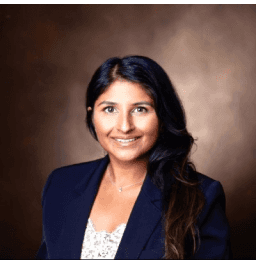
Shravani Durbhakula, MD, MPH, MBA
Anesthesiologist & Pain Physician
See the full list of responses
What’s your email?
See all the responses
What’s your email?
See the full list of responses
What’s your email?
See the full list of responses
What’s your email?
See all the responses
What’s your email?
How to Win Physicians’ Trust
How to Win Physicians’ Trust
How to Win Physicians’ Trust
Getting physicians excited about AI isn’t about fancy tech. It comes down to four simple questions:
Getting physicians excited about AI isn’t about fancy tech. It comes down to four simple questions:
Getting physicians excited about AI isn’t about fancy tech. It comes down to four simple questions:
Getting physicians excited about AI isn’t about fancy tech. It comes down to four simple questions:
Getting physicians excited about AI isn’t about fancy tech. It comes down to four simple questions:
Who Controls It?
71% of physicians have little to no influence on which AI tools their organizations adopt. But when colleagues use AI of their own choosing? 95% have neutral or positive reactions. The lesson is clear: physician autonomy isn't a nice-to-have. It's everything.
Who Controls It?
71% of physicians have little to no influence on which AI tools their organizations adopt. But when colleagues use AI of their own choosing? 95% have neutral or positive reactions. The lesson is clear: physician autonomy isn't a nice-to-have. It's everything.
Who Controls It?
71% of physicians have little to no influence on which AI tools their organizations adopt. But when colleagues use AI of their own choosing? 95% have neutral or positive reactions. The lesson is clear: physician autonomy isn't a nice-to-have. It's everything.
Who Controls It?
71% of physicians have little to no influence on which AI tools their organizations adopt. But when colleagues use AI of their own choosing? 95% have neutral or positive reactions. The lesson is clear: physician autonomy isn't a nice-to-have. It's everything.
Who Controls It?
71% of physicians have little to no influence on which AI tools their organizations adopt. But when colleagues use AI of their own choosing? 95% have neutral or positive reactions. The lesson is clear: physician autonomy isn't a nice-to-have. It's everything.
Question 2
Question 2
Question 2
Question 2
Question 2
Question 3
Question 3
Question 3
Question 3
Question 3
Question 4
Question 4
Question 4
Question 4
Question 4
“If AI is used well, it will offer us a lot of solutions… the future can be bright if we don’t take each other apart along the way.”
“If AI is used well, it will offer us a lot of solutions… the future can be bright if we don’t take each other apart along the way.”
“If AI is used well, it will offer us a lot of solutions… the future can be bright if we don’t take each other apart along the way.”

Josh Green, MD
Governor of Hawaii
Dig deeper into the data
What’s your email?
Dig deeper into the data
What’s your email?
The future of
healthcare
What the Future Should Look Like
What do physicians think healthcare will look like with AI? Will it take their jobs? Most are hopeful about what’s possible, but they’re also carrying some real worries.
What do physicians think healthcare will look like with AI? Will it take their jobs? Most are hopeful about what’s possible, but they’re also carrying some real worries.
What do physicians think healthcare will look like with AI? Will it take their jobs? Most are hopeful about what’s possible, but they’re also carrying some real worries.
What do physicians think healthcare will look like with AI? Will it take their jobs? Most are hopeful about what’s possible, but they’re also carrying some real worries.
What do physicians think healthcare will look like with AI? Will it take their jobs? Most are hopeful about what’s possible, but they’re also carrying some real worries.
Does AI improves patient health
Believe it improves patient health
Don’t believe
78%
Believe AI improves
patient health
22%
Don't believe
42%
42%
Are more likely to stay in medicine because of AI adoption vs. only 10% less likely
40%
40%
Believe doctors will be more trusted vs. 33% who believe less trusted
Will AI Take your job
Don't believe it will take over their jobs
Do believe
87%
Don't believe AI will
take over their jobs
13%
Do believe

Clinical Research
OpenEvidence
44.9%
#1
Clinical Research
OpenEvidence
44.9%
#1
Clinical Research
OpenEvidence
44.9%
#1
Clinical Research
OpenEvidence
44.9%
#1
Clinical Research
OpenEvidence
44.9%
#1
Clinical Research
OpenEvidence
44.9%
#1
Clinical Research
OpenEvidence
44.9%
#1
Clinical Research
OpenEvidence
44.9%
#1
Clinical Research
OpenEvidence
44.9%
#1
Clinical Research
OpenEvidence
44.9%
#1
Clinical Research
OpenEvidence
44.9%
#1
Clinical Research
OpenEvidence
44.9%
#1
Clinical Research
OpenEvidence
44.9%
#1
Clinical Research
OpenEvidence
44.9%
#1
Clinical Research
OpenEvidence
44.9%
#1
Clinical Research
OpenEvidence
44.9%
#1
Clinical Research
OpenEvidence
44.9%
#1
Clinical Research
OpenEvidence
44.9%
#1
Clinical Research
OpenEvidence
44.9%
#1
Clinical Research
OpenEvidence
44.9%
#1
Clinical Research
OpenEvidence
44.9%
#1
Clinical Research
OpenEvidence
44.9%
#1
Clinical Research
OpenEvidence
44.9%
#1
Clinical Research
OpenEvidence
44.9%
#1
Clinical Research
OpenEvidence
44.9%
#1
Clinical Research
OpenEvidence
44.9%
#1
Clinical Research
OpenEvidence
44.9%
#1
Clinical Research
OpenEvidence
44.9%
#1
Clinical Research
OpenEvidence
44.9%
#1
Clinical Research
OpenEvidence
44.9%
#1
Clinical Research
OpenEvidence
44.9%
#1
Clinical Research
OpenEvidence
44.9%
#1
Clinical Research
OpenEvidence
44.9%
#1
Clinical Research
OpenEvidence
44.9%
#1
Clinical Research
OpenEvidence
44.9%
#1
The Most Frequently Requested Tools By Physicians
26 different tools mentioned. See what they are.
26 different tools mentioned. See what they are.
26 different tools mentioned. See what they are.
26 different tools mentioned. See what they are.
26 different tools mentioned. See what they are.
Clinical Research
OpenEvidence
44.9%
#1
Clinical Research
OpenEvidence
44.9%
#1
Clinical Research
OpenEvidence
44.9%
#1
Clinical Research
OpenEvidence
44.9%
#1
Clinical Research
OpenEvidence
44.9%
#1
Clinical Research
OpenEvidence
44.9%
#1
Clinical Research
OpenEvidence
44.9%
#1
Clinical Research
OpenEvidence
44.9%
#1
Clinical Research
OpenEvidence
44.9%
#1
Clinical Research
OpenEvidence
44.9%
#1
Clinical Research
OpenEvidence
44.9%
#1
Clinical Research
OpenEvidence
44.9%
#1
Clinical Research
OpenEvidence
44.9%
#1
Clinical Research
OpenEvidence
44.9%
#1
Clinical Research
OpenEvidence
44.9%
#1
Clinical Research
OpenEvidence
44.9%
#1
Clinical Research
OpenEvidence
44.9%
#1
Clinical Research
OpenEvidence
44.9%
#1
Clinical Research
OpenEvidence
44.9%
#1
Clinical Research
OpenEvidence
44.9%
#1
Clinical Research
OpenEvidence
44.9%
#1
Clinical Research
OpenEvidence
44.9%
#1
Clinical Research
OpenEvidence
44.9%
#1
Clinical Research
OpenEvidence
44.9%
#1
Clinical Research
OpenEvidence
44.9%
#1
Clinical Research
OpenEvidence
44.9%
#1
Clinical Research
OpenEvidence
44.9%
#1
Clinical Research
OpenEvidence
44.9%
#1
Clinical Research
OpenEvidence
44.9%
#1
Clinical Research
OpenEvidence
44.9%
#1
Clinical Research
OpenEvidence
44.9%
#1
Clinical Research
OpenEvidence
44.9%
#1
Clinical Research
OpenEvidence
44.9%
#1
Clinical Research
OpenEvidence
44.9%
#1
Clinical Research
OpenEvidence
44.9%
#1
“It feels like we’re in the transition period where in five years or ten years, we could have a totally different way that healthcare works, and works better.”
“It feels like we’re in the transition period where in five years or ten years, we could have a totally different way that healthcare works, and works better.”
“It feels like we’re in the transition period where in five years or ten years, we could have a totally different way that healthcare works, and works better.”

Graham Walker, MD
Healthcare AI+Innovation, Co-Founder of Offcall
Explore physicians attitudes about AI
What’s your email?
What is everyone thinking
What’s your email?
See physicians thouhgts on AI
What’s your email?
Explore physicians attitudes about AI
What’s your email?
What is everyone thinking
What’s your email?
Conclusion
The healthcare system is at an inflection point. Physicians are ready for AI but they're being failed by organizations that don't understand what they actually need.

The Market Is Ready. The adoption question is answered. Now it's about building the right tools.
67%
daily AI usage already
89%
want dedicated funding
89%
want dedicated funding

Typical amount willing to invest in A.I.
$0-$500
$500-$1k
$1k-$2k
$2k-$3k
$3k-$5k
$5k-$10k
$10k+
33%
14%
24%
9%
2%
8%
10%

The competition is fragmented. First-mover advantage for anyone who can clearly articulate physician-first value.
71
unique tools mentioend
Clinical Research
OpenEvidence
37%
#1
OpenEvidence leads at 37%, but the remaining 63% are scattered across dozens of tools—and many physicians aren't even sure what they want.
Physicians don't fear AI, they fear who controls it. Build for physicians first, and the business follows.
84%
say AI makes them better at their jobs when they control it
The Real Need Is Unsexy. The biggest opportunity in healthcare AI isn't the most glamorous.
43%
Don’t want clinical decision support
113%
Need documentation(65%) and admin(48%) relief
Conclusion
The healthcare system is at an inflection point. Physicians are ready for AI but they're being failed by organizations that don't understand what they actually need.
The Market Is Ready. The adoption question is answered. Now it's about building the right tools.
67%
daily AI usage already
89%
want dedicated funding
Typical amount willing to invest in A.I.
$0-$500
$500-$1k
$1k-$2k
$2k-$3k
$3k-$5k
$5k-$10k
$10k+
33%
14%
24%
9%
2%
8%
10%
The competition is fragmented. First-mover advantage for anyone who can clearly articulate physician-first value.
71
unique tools mentioend
Clinical Research
OpenEvidence
37%
#1
OpenEvidence leads at 37%, but the remaining 63% are scattered across dozens of tools—and many physicians aren't even sure what they want.
Physicians don't fear AI, they fear who controls it. Build for physicians first, and the business follows.
84%
say AI makes them better at their jobs when they control it
The Real Need Is Unsexy. The biggest opportunity in healthcare AI isn't the most glamorous.
43%
Don’t want clinical decision support
113%
Need documentation(65%) and admin(48%) relief
Conclusion
The healthcare system is at an inflection point. Physicians are ready for AI but they're being failed by organizations that don't understand what they actually need.
The Market Is Ready. The adoption question is answered. Now it's about building the right tools.
67%
daily AI usage already
89%
want dedicated funding
Typical amount willing to invest in A.I.
$0-$500
$500-$1k
$1k-$2k
$2k-$3k
$3k-$5k
$5k-$10k
$10k+
33%
14%
24%
9%
2%
8%
10%
The competition is fragmented. First-mover advantage for anyone who can clearly articulate physician-first value.
71
unique tools mentioend
Clinical Research
OpenEvidence
37%
#1
OpenEvidence leads at 37%, but the remaining 63% are scattered across dozens of tools—and many physicians aren't even sure what they want.
Physicians don't fear AI, they fear who controls it. Build for physicians first, and the business follows.
84%
say AI makes them better at their jobs when they control it
The Real Need Is Unsexy. The biggest opportunity in healthcare AI isn't the most glamorous.
43%
Don’t want clinical decision support
113%
Need documentation(65%) and admin(48%) relief
Conclusion
The healthcare system is at an inflection point. Physicians are ready for AI but they're being failed by organizations that don't understand what they actually need.
The Market Is Ready. The adoption question is answered. Now it's about building the right tools.
67%
daily AI usage already
89%
want dedicated funding
89%
want dedicated funding
Typical amount willing to invest in A.I.
$0-$500
$500-$1k
$1k-$2k
$2k-$3k
$3k-$5k
$5k-$10k
$10k+
33%
14%
24%
9%
2%
8%
10%
The competition is fragmented. First-mover advantage for anyone who can clearly articulate physician-first value.
71
unique tools mentioend
Clinical Research
OpenEvidence
37%
#1
OpenEvidence leads at 37%, but the remaining 63% are scattered across dozens of tools—and many physicians aren't even sure what they want.
Physicians don't fear AI, they fear who controls it. Build for physicians first, and the business follows.
84%
say AI makes them better at their jobs when they control it
The Real Need Is Unsexy. The biggest opportunity in healthcare AI isn't the most glamorous.
43%
Don’t want clinical decision support
113%
Need documentation(65%) and admin(48%) relief
Conclusion
The healthcare system is at an inflection point. Physicians are ready for AI but they're being failed by organizations that don't understand what they actually need.
The Market Is Ready. The adoption question is answered. Now it's about building the right tools.
67%
daily AI usage already
89%
want dedicated funding
Typical amount willing to invest in A.I.
$0-$500
$500-$1k
$1k-$2k
$2k-$3k
$3k-$5k
$5k-$10k
$10k+
33%
14%
24%
9%
2%
8%
10%
The competition is fragmented. First-mover advantage for anyone who can clearly articulate physician-first value.
71
unique tools mentioend
Clinical Research
OpenEvidence
37%
#1
OpenEvidence leads at 37%, but the remaining 63% are scattered across dozens of tools—and many physicians aren't even sure what they want.
Physicians don't fear AI, they fear who controls it. Build for physicians first, and the business follows.
84%
say AI makes them better at their jobs when they control it
The Real Need Is Unsexy. The biggest opportunity in healthcare AI isn't the most glamorous.
43%
Don’t want clinical decision support
113%
Need documentation(65%) and admin(48%) relief
The future isn't guaranteed to be physician-first. But physicians are telling us exactly what they need to make it work: Control. Transparency. Relief from administrative burden. And AI that serves patients, not profit margins.
The future isn't guaranteed to be physician-first. But physicians are telling us exactly what they need to make it work: Control. Transparency. Relief from administrative burden. And AI that serves patients, not profit margins.
The future isn't guaranteed to be physician-first. But physicians are telling us exactly what they need to make it work: Control. Transparency. Relief from administrative burden. And AI that serves patients, not profit margins.
The question is: who's listening?
The question is: who's listening?
The question is: who's listening?

2025 Physicians AI Whitepaper
Access the Complete Report
Access the Complete Report
Access the Complete Report
Complete quantitative breakdown of what physicians really think about AI
Complete quantitative breakdown of what physicians really think about AI
Complete quantitative breakdown of what physicians really think about AI
Complete quantitative breakdown of what physicians really think about AI
Complete quantitative breakdown of what physicians really think about AI
Strategic implications for healthcare organizations and AI companies
Strategic implications for healthcare organizations and AI companies
Strategic implications for healthcare organizations and AI companies
Strategic implications for healthcare organizations and AI companies
Strategic implications for healthcare organizations and AI companies
Sentiment analysis of physician attitudes about AI and the future
Sentiment analysis of physician attitudes about AI and the future
Sentiment analysis of physician attitudes about AI and the future
Sentiment analysis of physician attitudes about AI and the future
Sentiment analysis of physician attitudes about AI and the future
Download full report
Salary
Learn
Pricing
About
Contact
Sign up for Offcall's newsletter
Enter your email…
Copyright © 2024 Offcall All Rights Reserved
Privacy
Terms and Conditions